

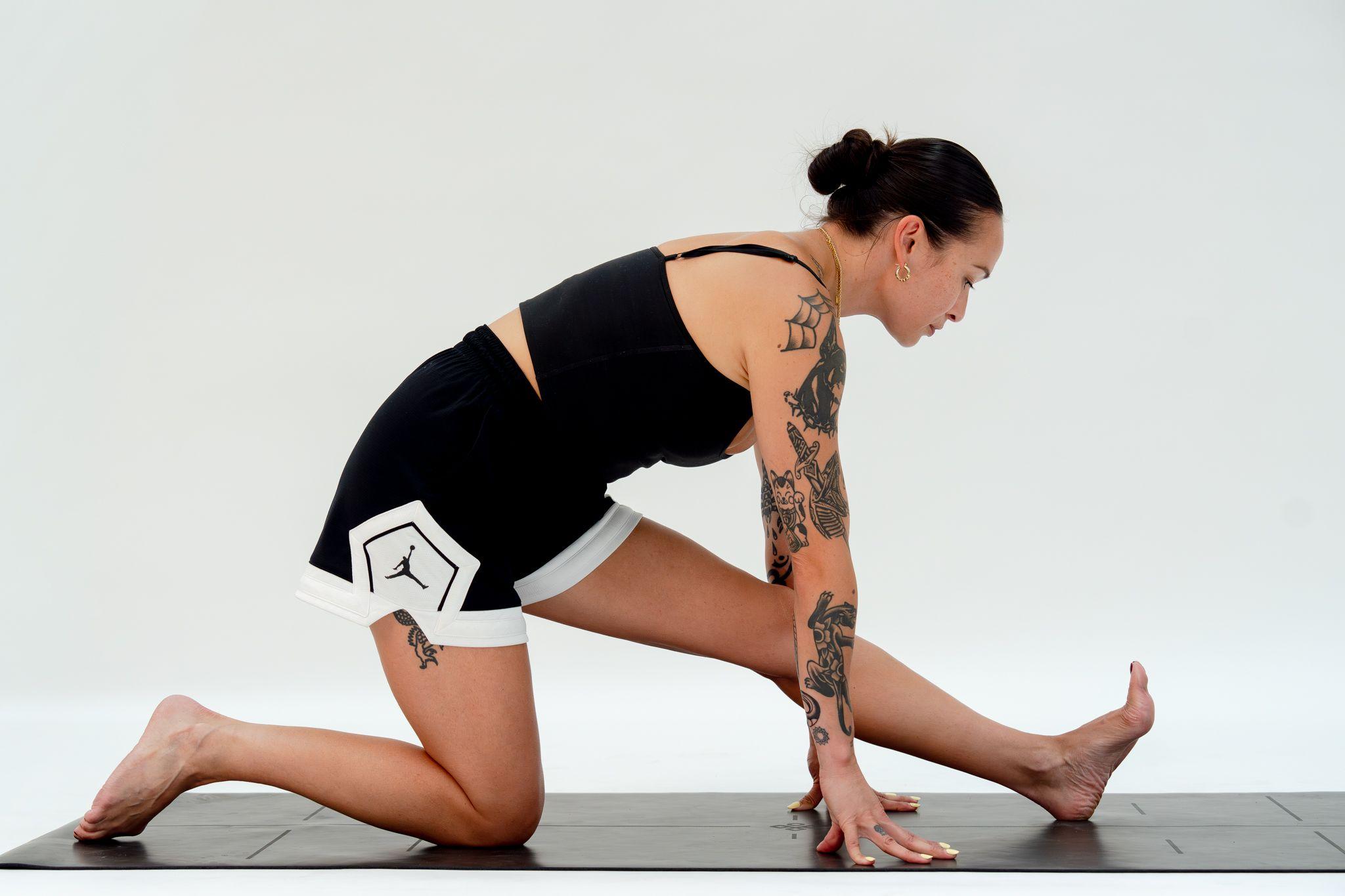
Why Do My Hamstrings Feel So Tight?
1. Overload (aka asking too much of the muscle)
Give a muscle more than it’s ready for, and it will absolutely let you know about it.
This usually shows up in two ways:
- Higher training loads (hello, new sprint sessions and hill repeats 👀)
- Not enough strength to handle what you’re asking of it
Think of your hamstrings like a team member. If they’re underprepared but overworked, they’re going to start complaining.
2. Running Form
At forRunners, we’re big fans of: “if it’s not broken, don’t fix it.”
But… if you’re constantly dealing with tight hamstrings after runs, it might be worth a little form check.
A long, over-striding gait can increase the load on your hamstrings. So, if you’re reaching out in front with each step, your hammies are doing a lot of extra work.
A couple of options here:
- Slightly shorten your stride or
- Build the strength to better tolerate that load
(Or ideally… a bit of both.)
3. Muscle Imbalances
Your body is incredibly clever. It will always find a way to get the job done, even if it’s not the most efficient route.
Therefore, if your glutes or core aren’t pulling their weight, your hamstrings often step in to pick up the slack.
And over time? That extra workload adds up.
4. Skipping Mobility & Recovery
Squeezing in a run in between our busy schedules can often mean that our post run stretch can be neglected.
But let’s remember - a quick post-run mobility session:
- Helps your muscles recover
- Reduces that “tight” feeling
- And keeps things moving well long-term
So, this is your gentle nudge to not skip those 10-minute POST RUNS on the app 😉 - there are plenty to choose from and your body will 100% thank you for it!
5. Neural Tension
This one surprises a lot of people.
Sometimes that “tight hamstring” feeling… isn’t actually your hamstring.
Instead, it can be your nervous system.
Unlike muscles (which stretch like a hair elastic), nerves are designed to glide back and forth. If something is a bit tight, like your lower back or hips, that glide gets restricted.
Suddenly, you’re feeling tension through the back of your legs when we put them on stretch.
How Pilates Can Help Improve Hamstring Mobility
1. Build Hamstring Strength
It might sound counterintuitive, but stronger hamstrings = happier hamstrings.
Focus on:
- Single-leg work where possible
- Exercises that combine strength + length
Think movements like an arabesque, where your hamstrings are working and lengthening at the same time.
2. Don’t Skip Glutes & Core
Your hamstrings shouldn’t have to do it all alone.
When your glutes and core are strong and coordinated, the load gets shared more evenly, meaning less strain on those poor, overworked hammies.
(Enter: forRunners Pilates sessions 👋)
3. Actually Cool Down (this can be done in less than 10 mins!)
Consider your post-run mobility like a little “thank you” to your body.
These sessions help:
- Restore length through the hamstrings
- Improve movement in your hips and back
- Reduce any underlying neural tension
Short & simple, but makes a huge difference.
The Takeaway
“Tight hamstrings” aren’t just about needing to stretch more.
They’re often a sign that something else is going on, whether that’s load, strength, coordination, or even your nervous system.
Address the root cause, and you’ll not only feel better… but you’ll run better too.
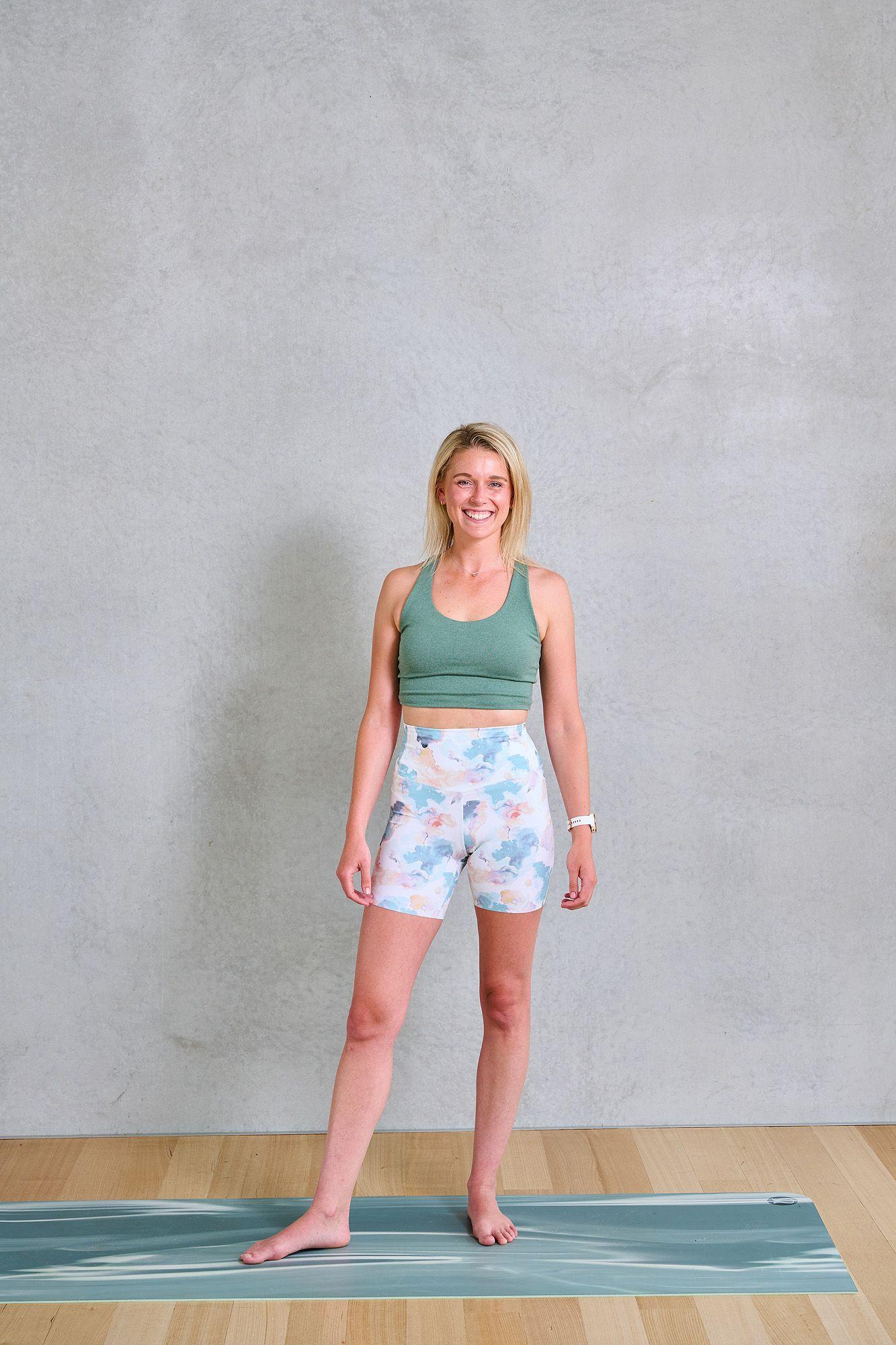
About Lisa Frazer
With over 10 years of Physiotherapy experience, Lisa brings a real clinical flavour to her Pilates workouts. As a runner herself, she understands both the addiction and the benefits the sport has on your mental health. You can therefore expect that her classes will aim to keep your body feeling strong and flexible so that you can keep hitting the pavement with a smile on your face.
With over 20 years of dance experience, she loves the creative flow that Pilates brings to the World of exercise. Don’t be fooled by her sweet nature and friendly banter, this wonder woman packs a core and glute punch and joining her will be the best way to start your day.